Bridge upon Bridge
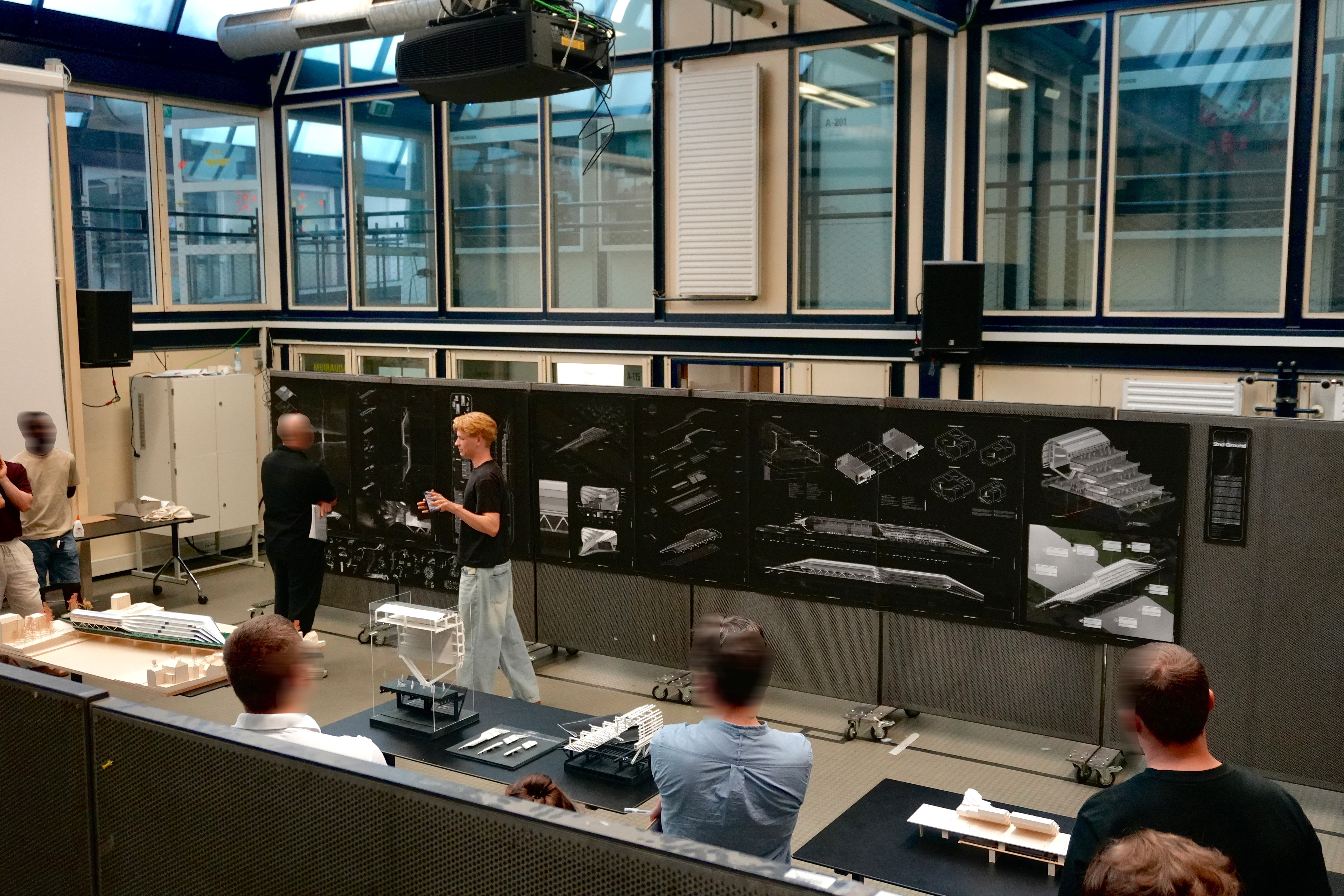
For my bachelor thesis at the University of Kaiserslautern, I developed an architectural vision for the Theodor-Heuss-Brücke in Heidelberg, a project that asks how exhausted urban infrastructure can be transformed into a catalyst for new, socially equitable and spatially extraordinary living.
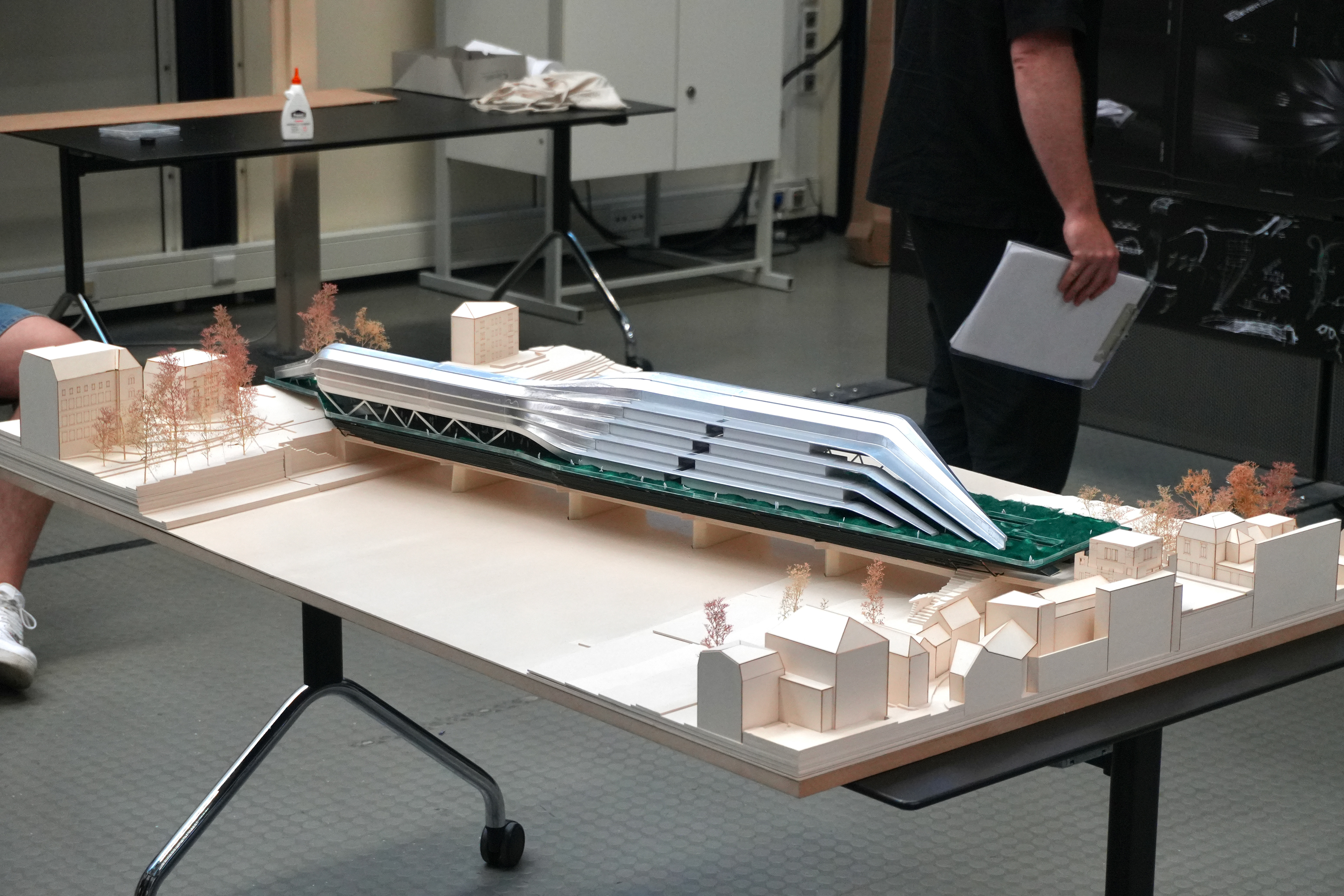
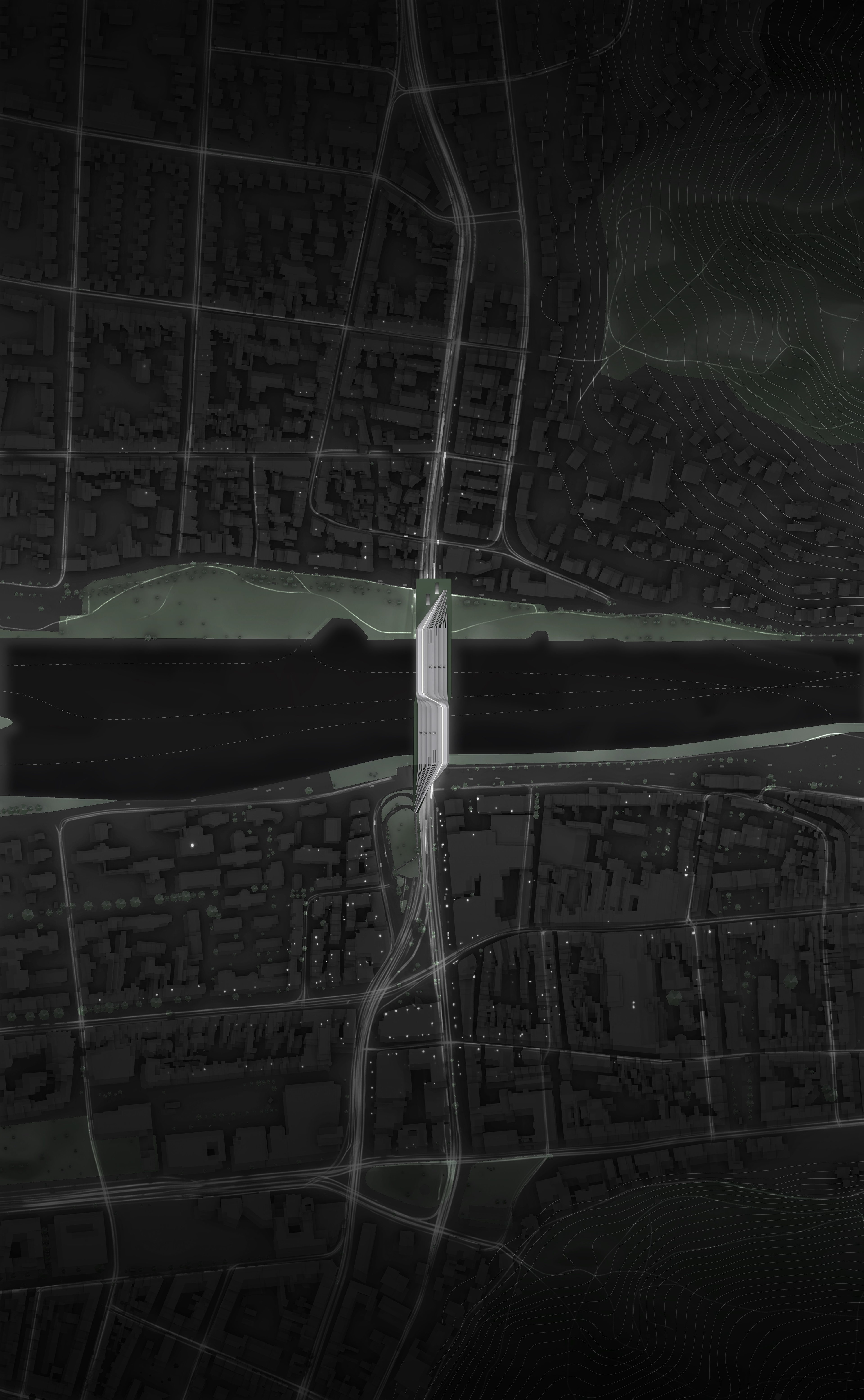
The Theodor-Heuss-Brücke is more than a crossing. Situated over the Neckar, embedded between fragmented green spaces to the north and south and a congested traffic node at its southern foot, it represents a latent urban potential, that tries to connect souther old town with northern areas, but which is heavily overlooked, underutilized, and asking for reinvention. My concept does not treat the bridge as a constraint or solely functional, but as a foundation from which an entirely new urban layer emerges.
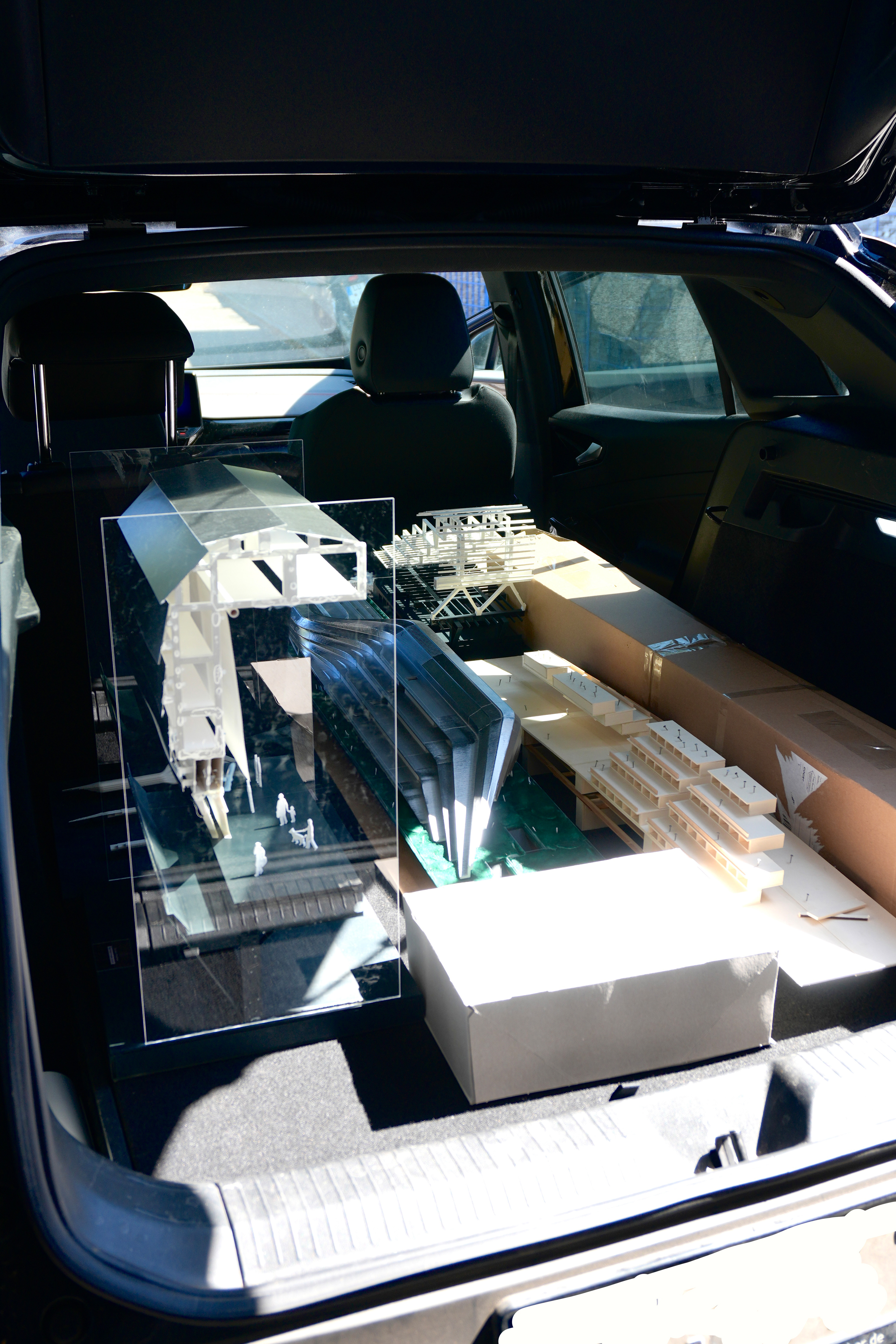
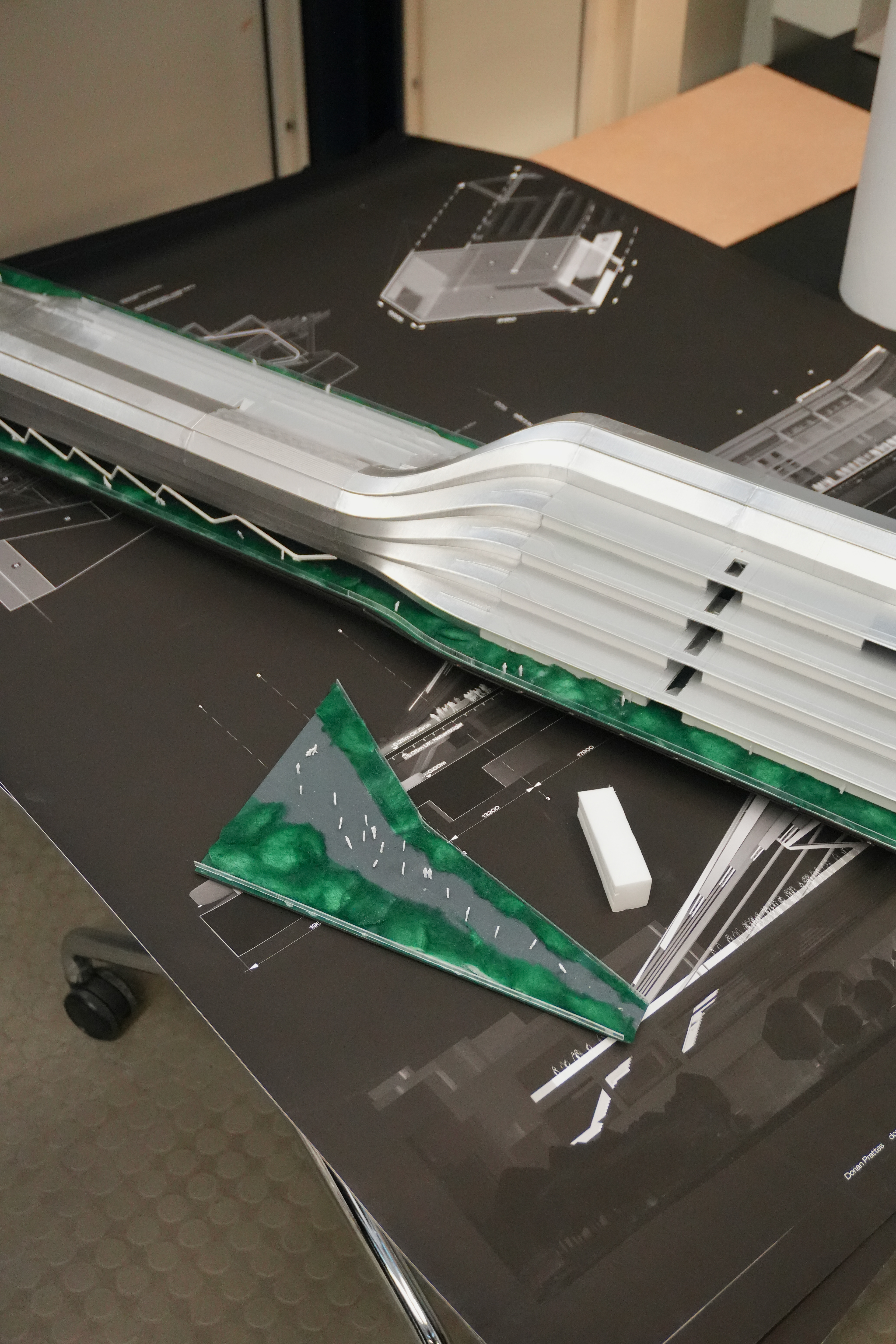
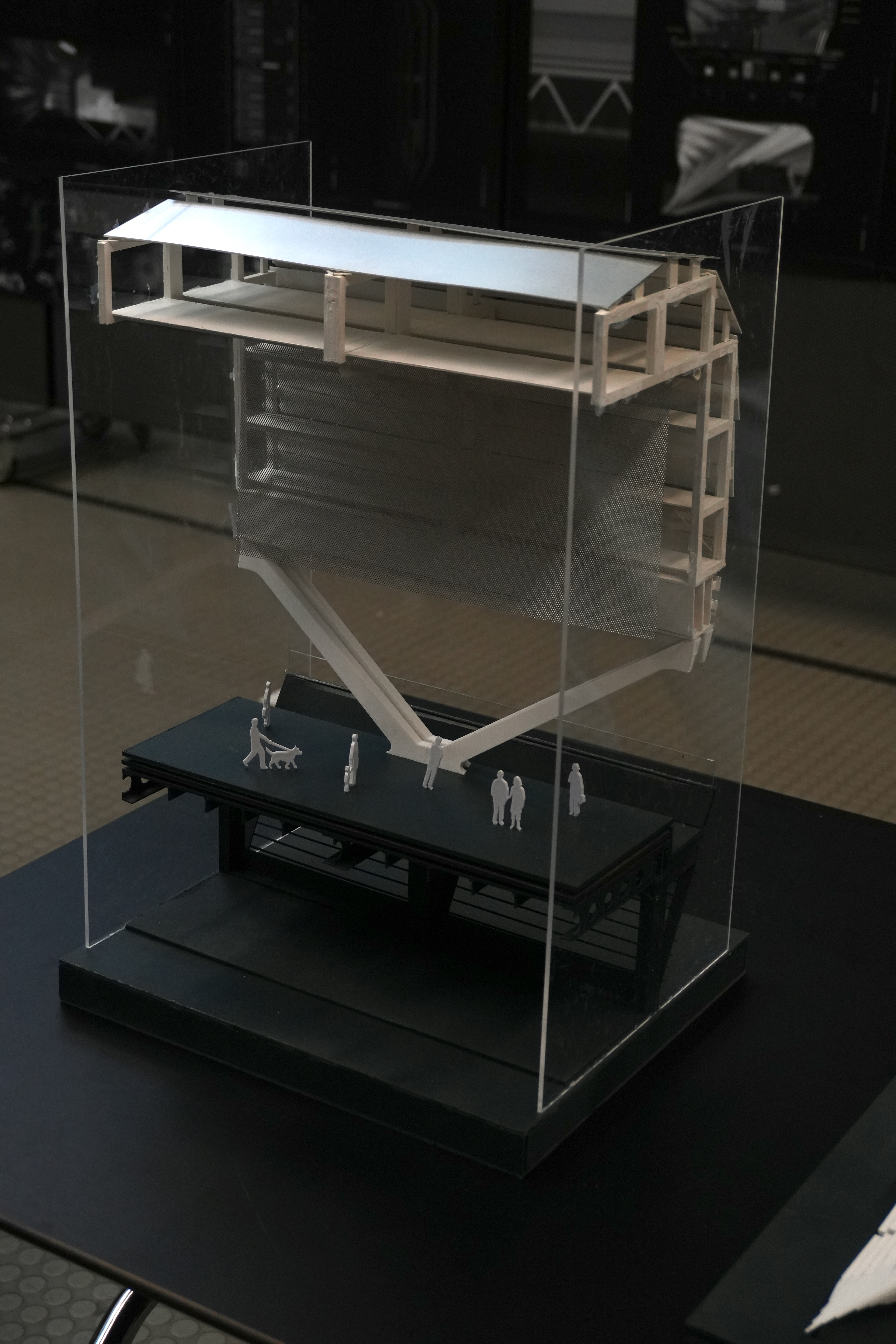
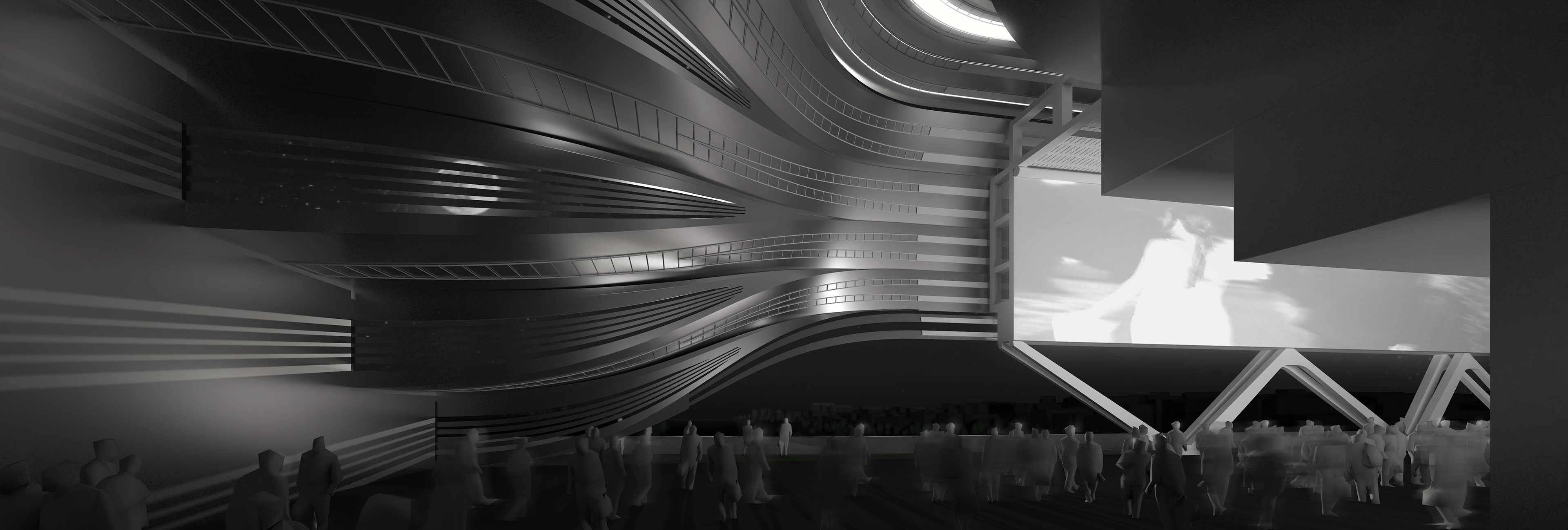
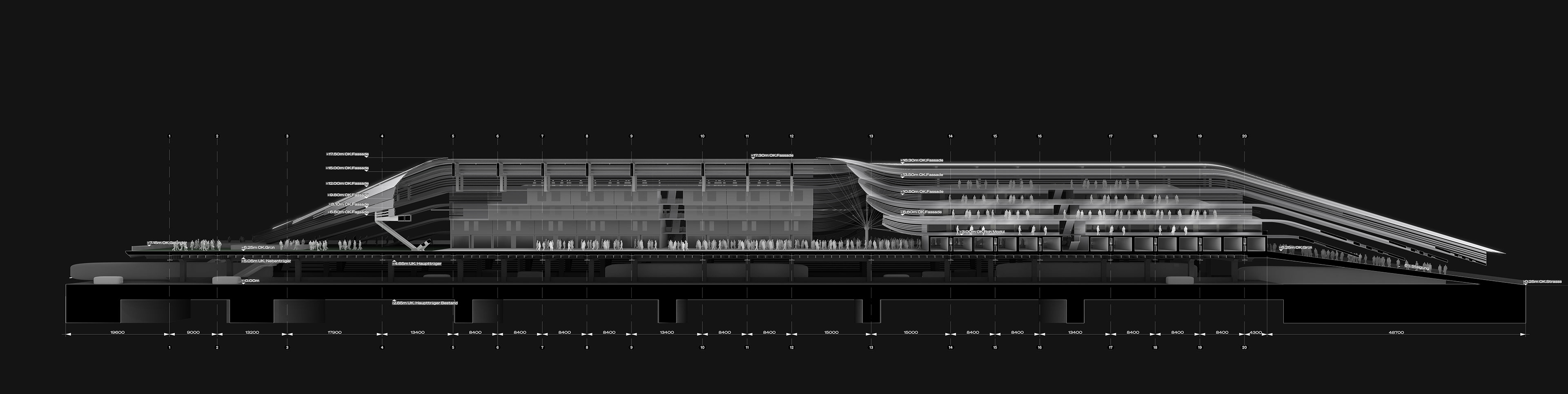
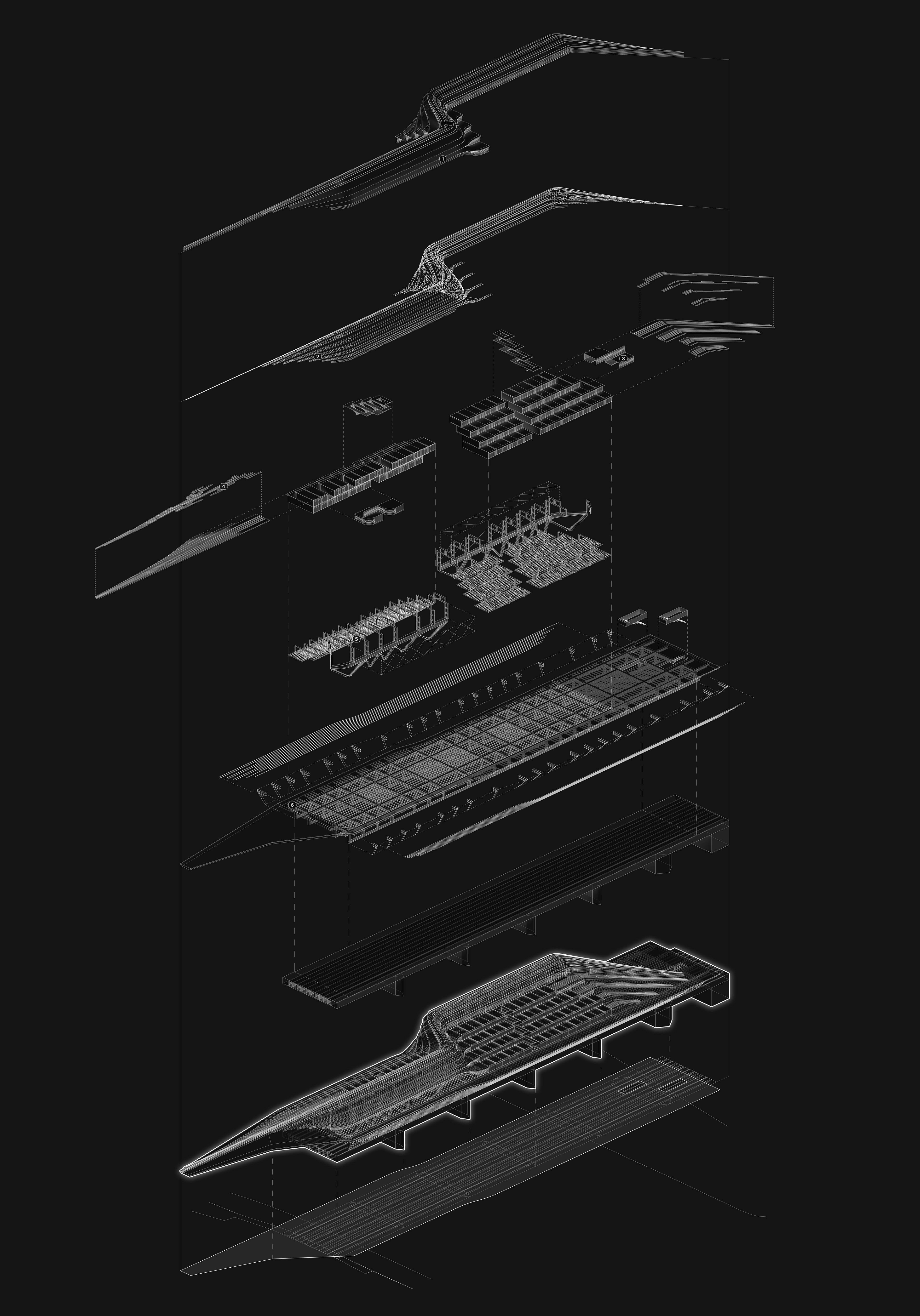
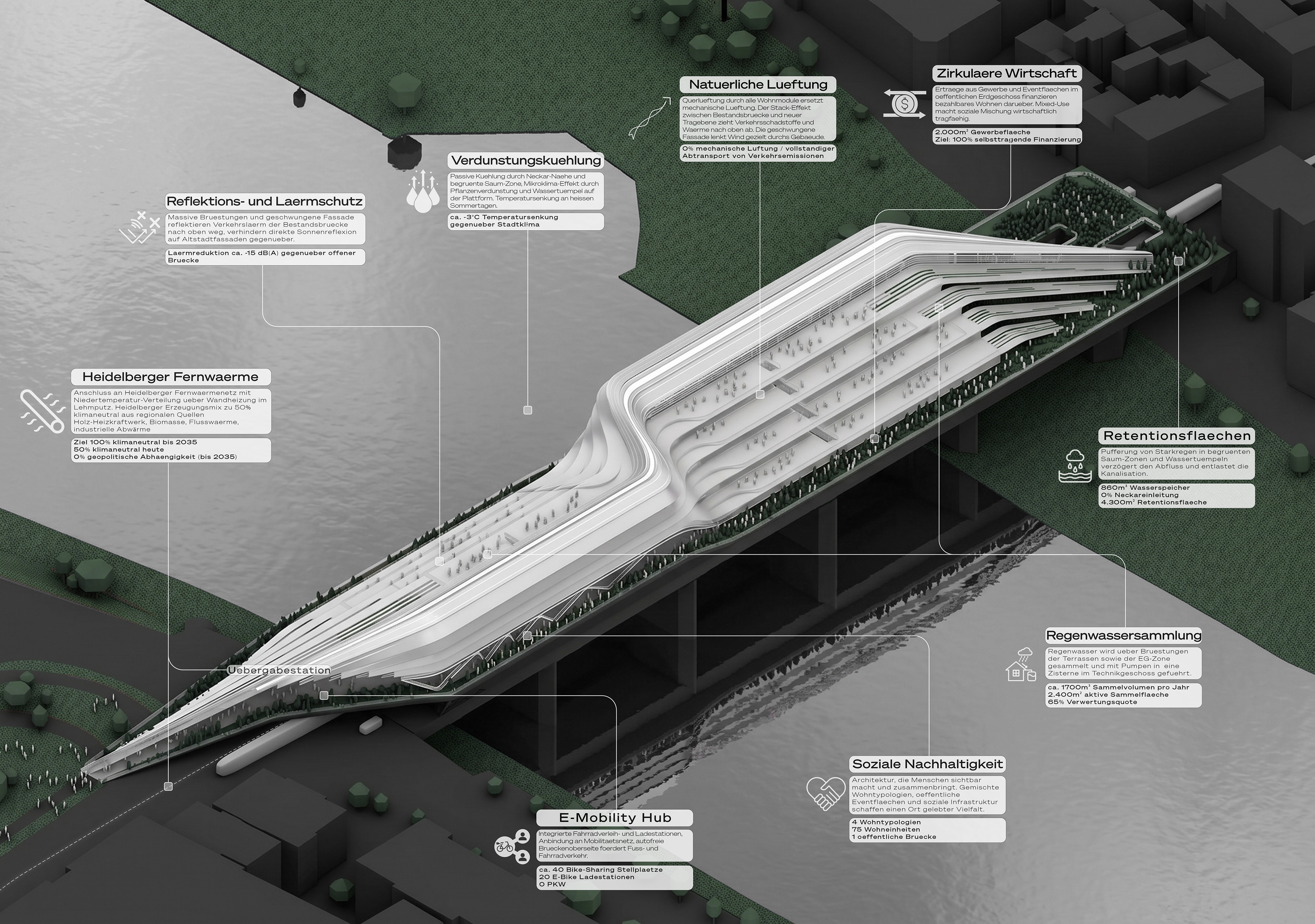
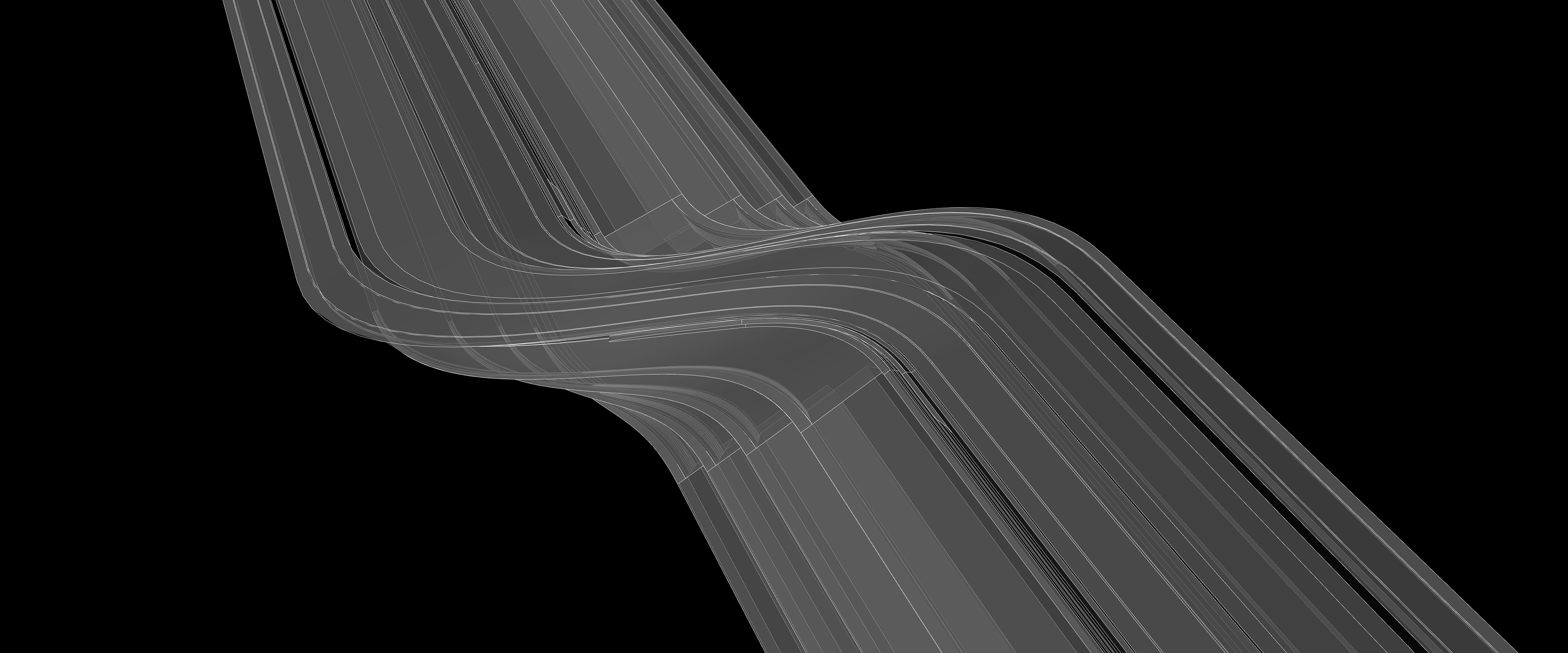
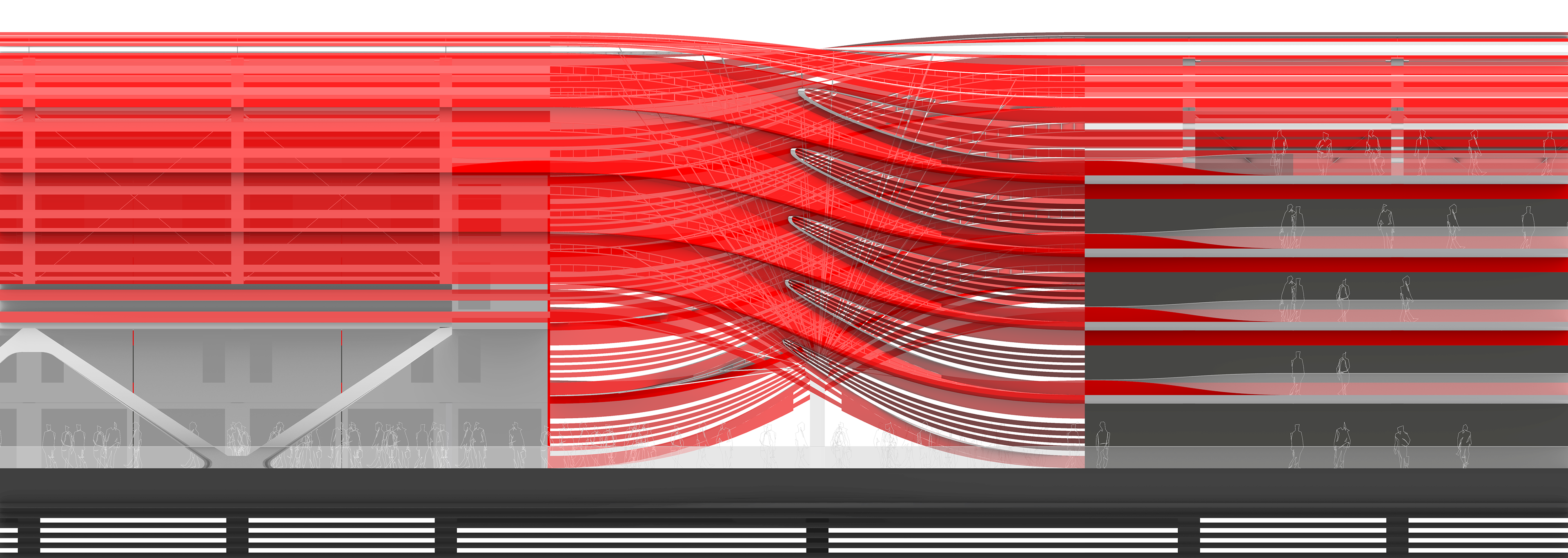
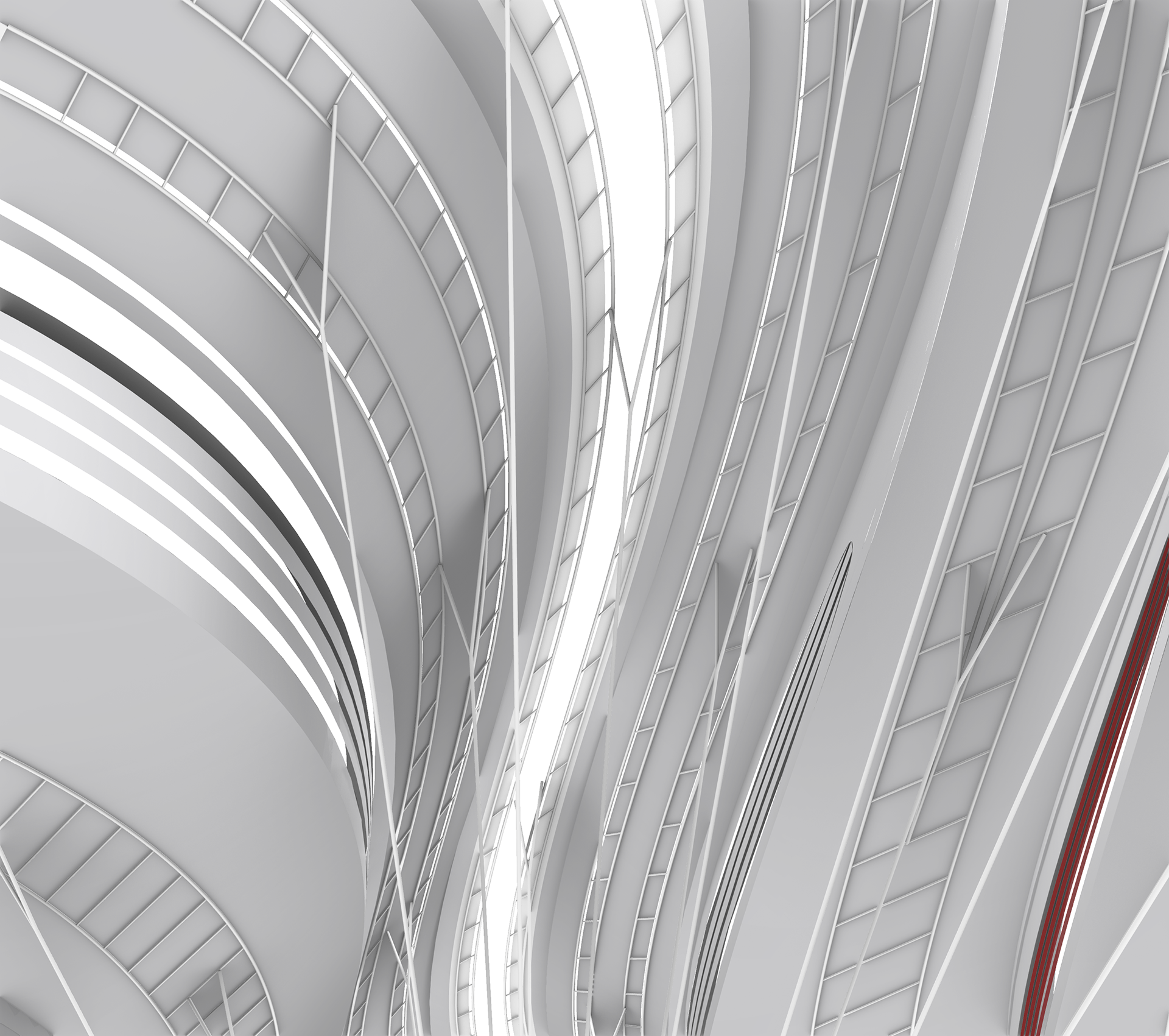
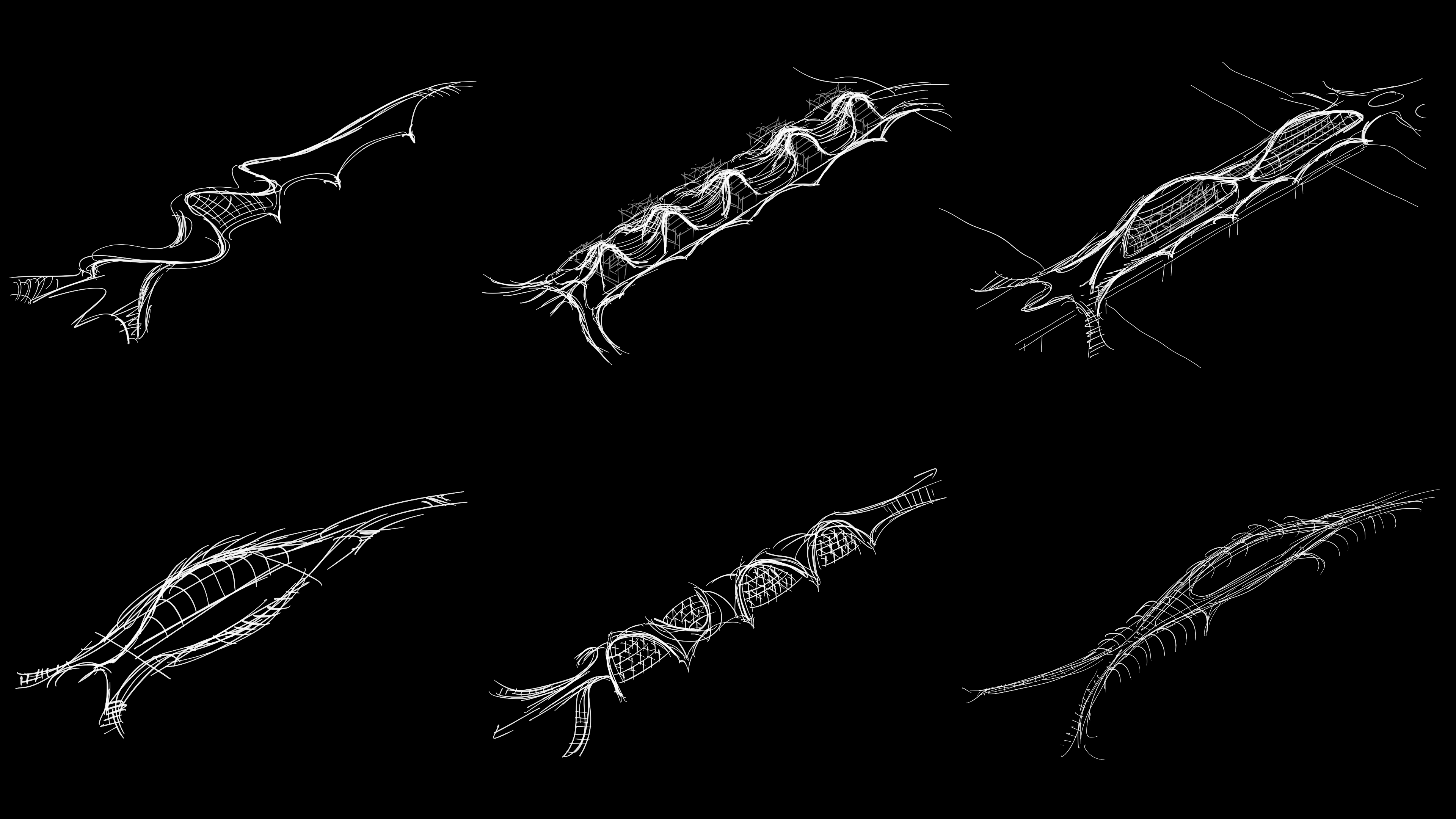
Bridge upon Bridge proposes a second architectural layer above the existing infrastructure, a continuous, inhabitable landscape that cross-spans the bridge and reaches outward to bind park, crossing and city into one coherent spatial experience. The existing bridge retains its basic infrastructural function. What is added above, structurally rested on below, is something fundamentally different: a floating, non-motorized realm dedicated to living, flowing movement and collective life.
The project operates on three interconnected ambitions:
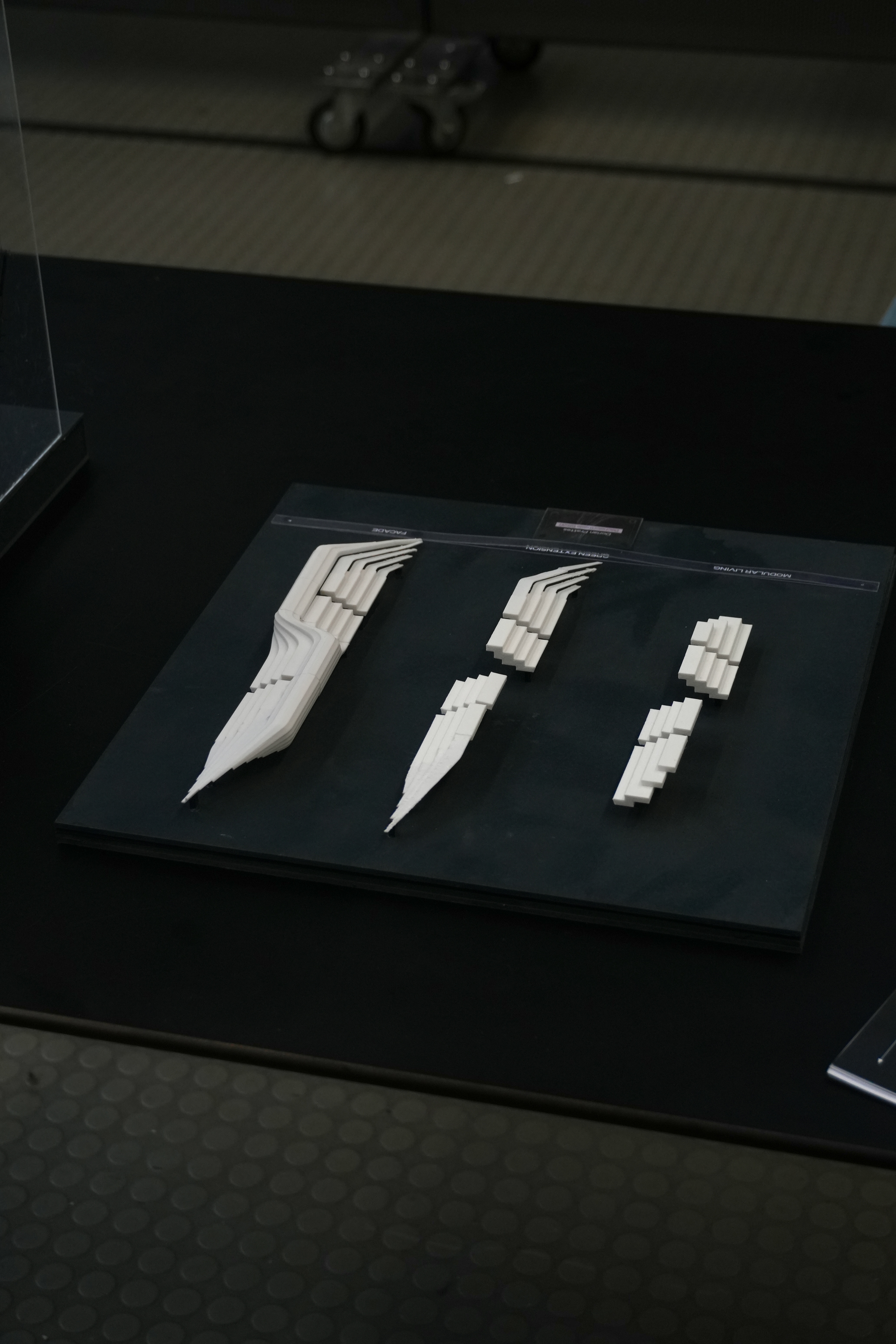
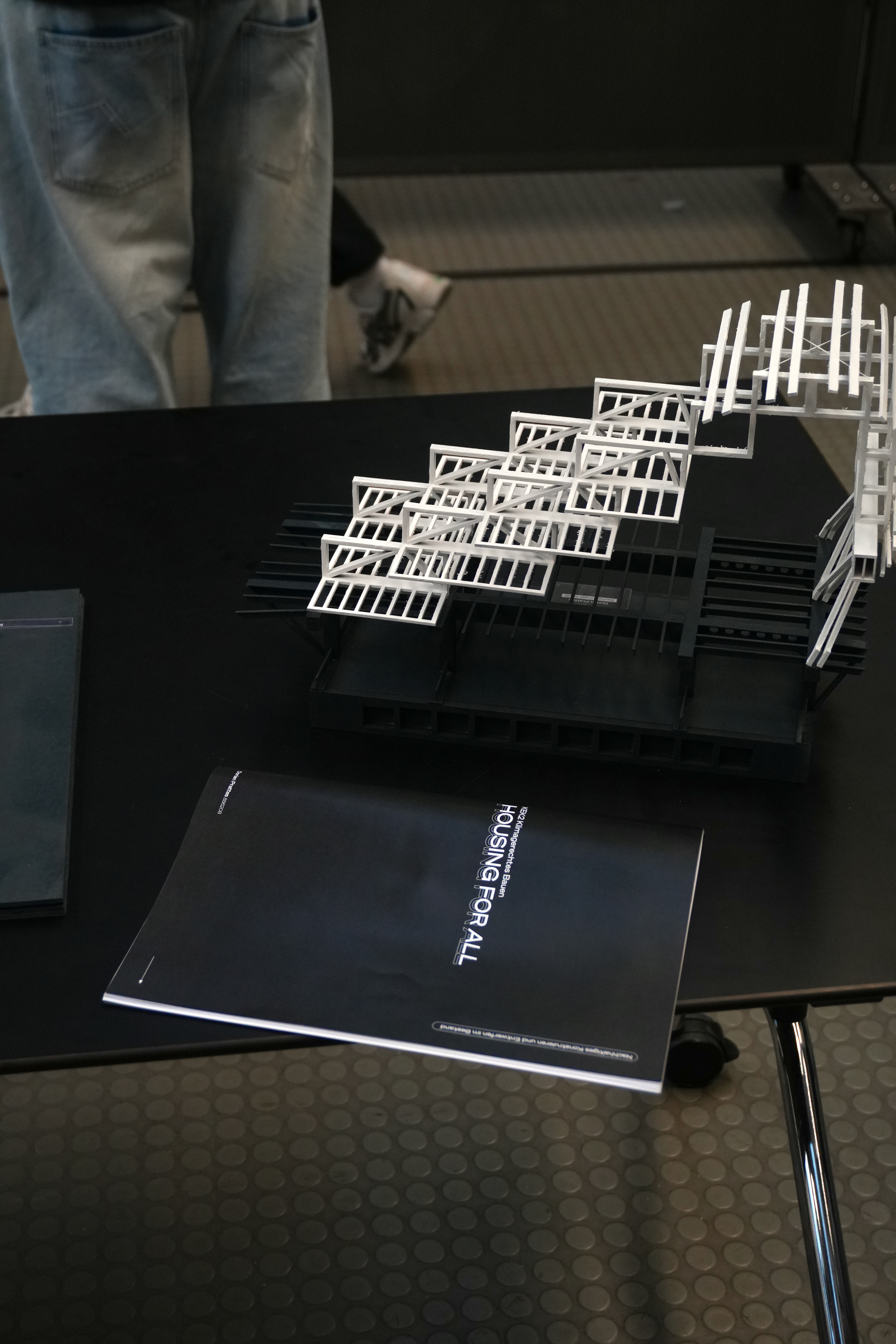
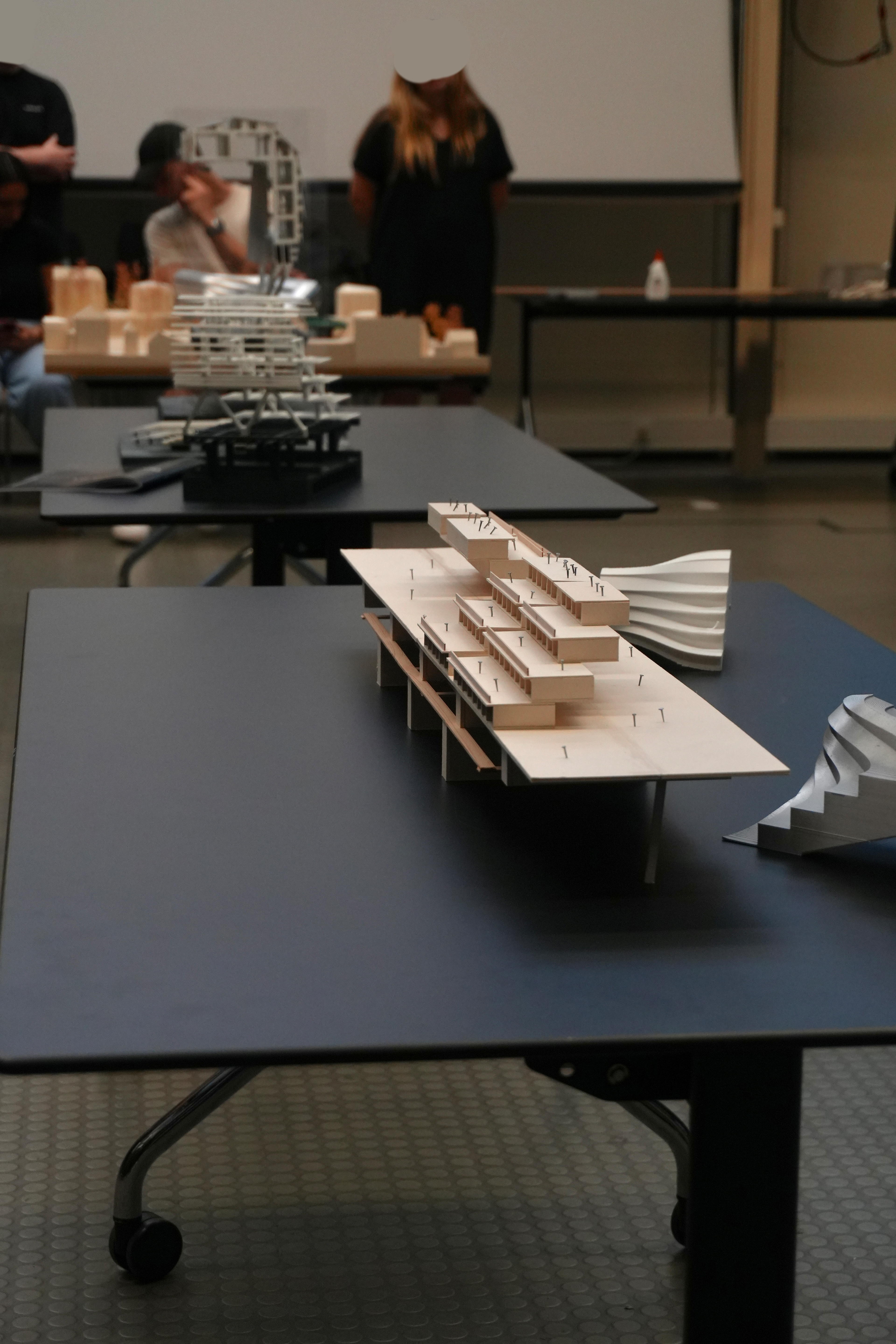
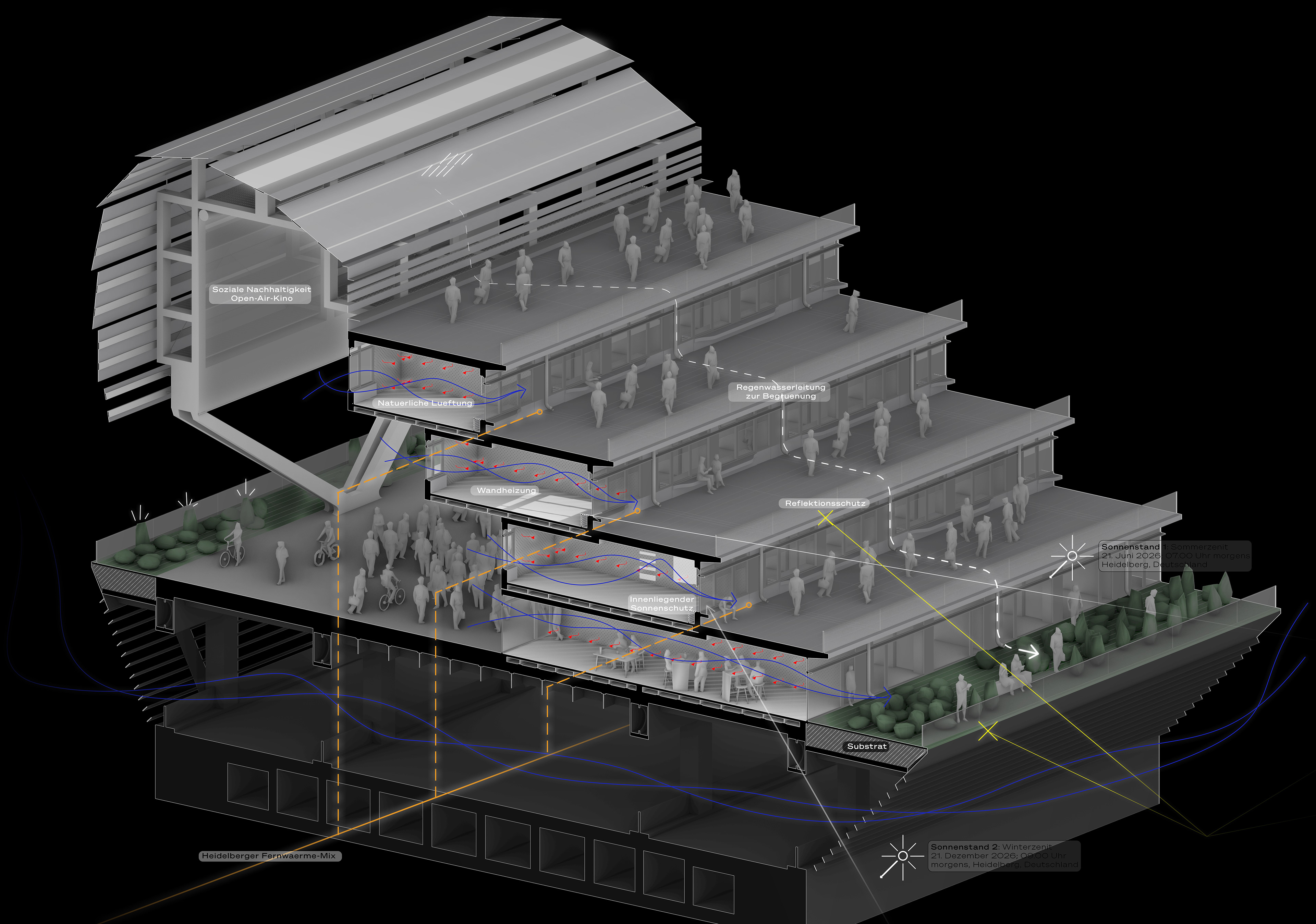
First, the housing typologies developed for this elevated plane embody the principle of housing for all: modular, affordable, and socially permeable units that can expand, contract, merge or divide in response to changing life circumstances.
Second, the rerouting and greening of the existing traffic situation, that reclaims grey, hostile space for pedestrians and cyclists, creating intuitive and generous connections that currently do not exist.
Third, the new architectural layer acts as a spine that physically and experientially links the northern park with the southern urban fabric, making the bridge itself a destination rather than merely a passage.
The architectural language of the intervention is deliberately bold. In a city like Heidelberg, where the historical fabric commands attention, the project argues that genuine urban progress demands a counterpoint, an architecture that does not mimic its surroundings but enters into productive tension with them and therefore creates a new layer of quality. A landmark that strengthens regional identity, invites people to linger, and demonstrates that infrastructural necessity and architectural ambition are not mutually exclusive, but need to be thought together.
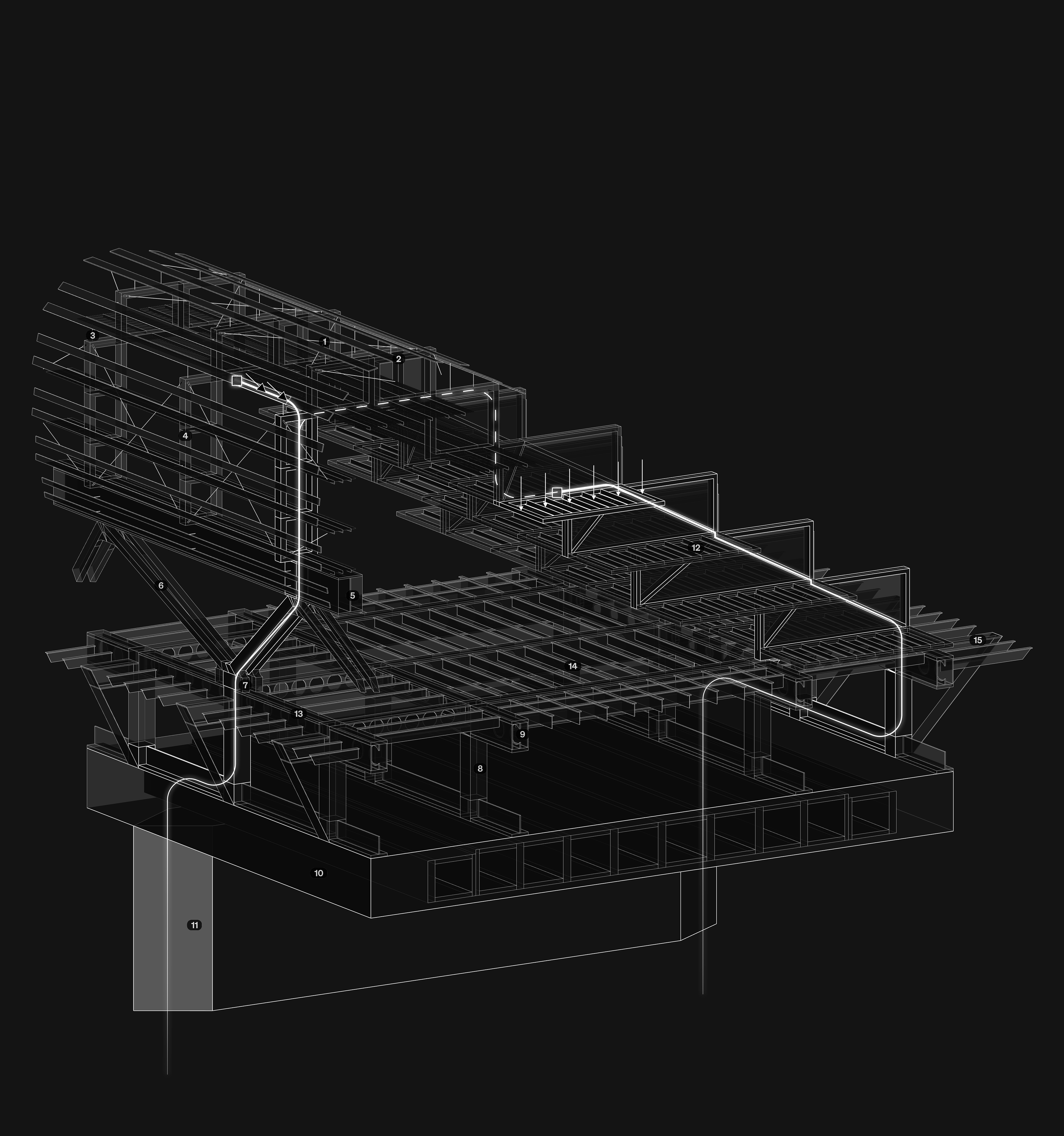
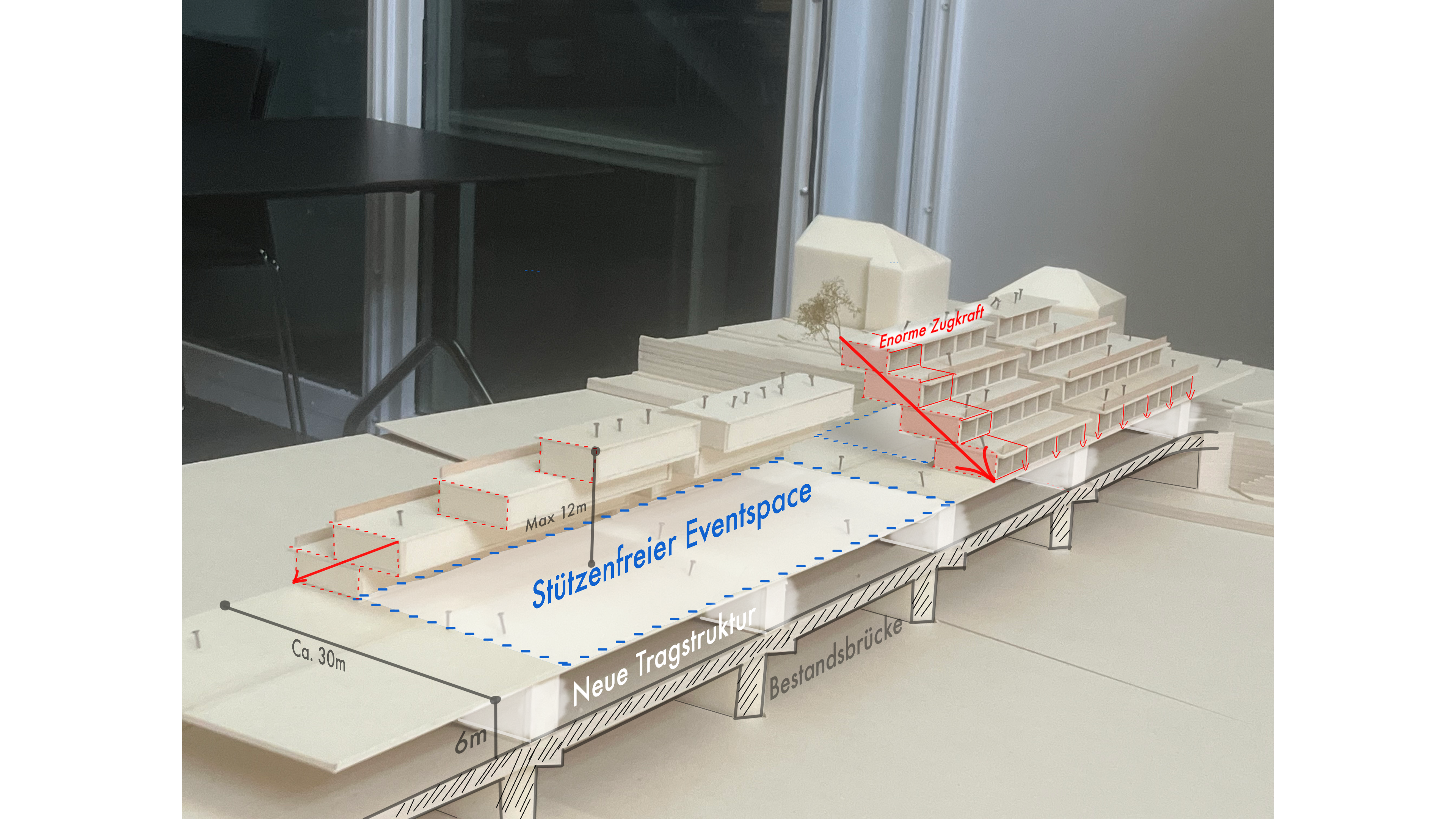
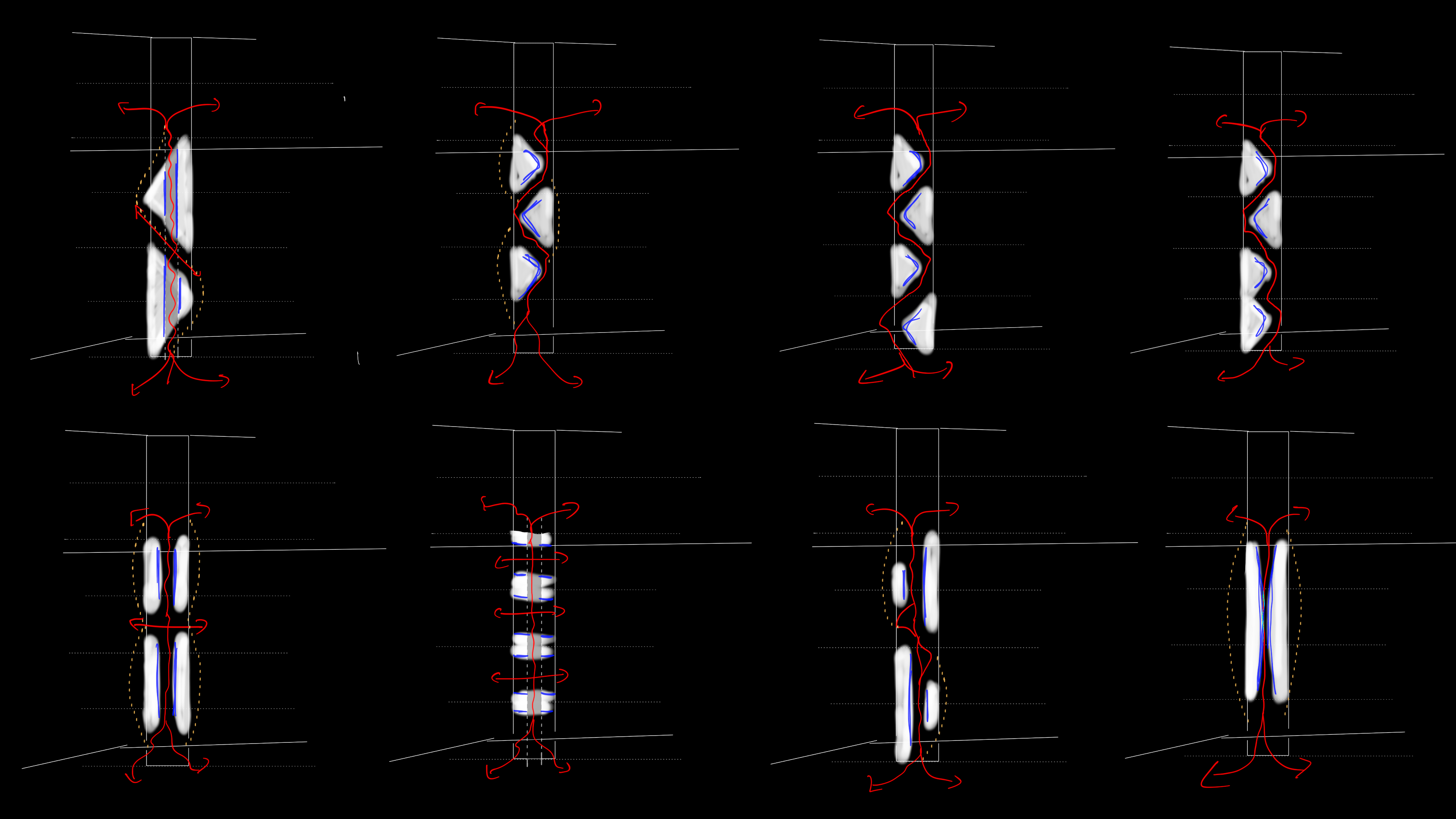
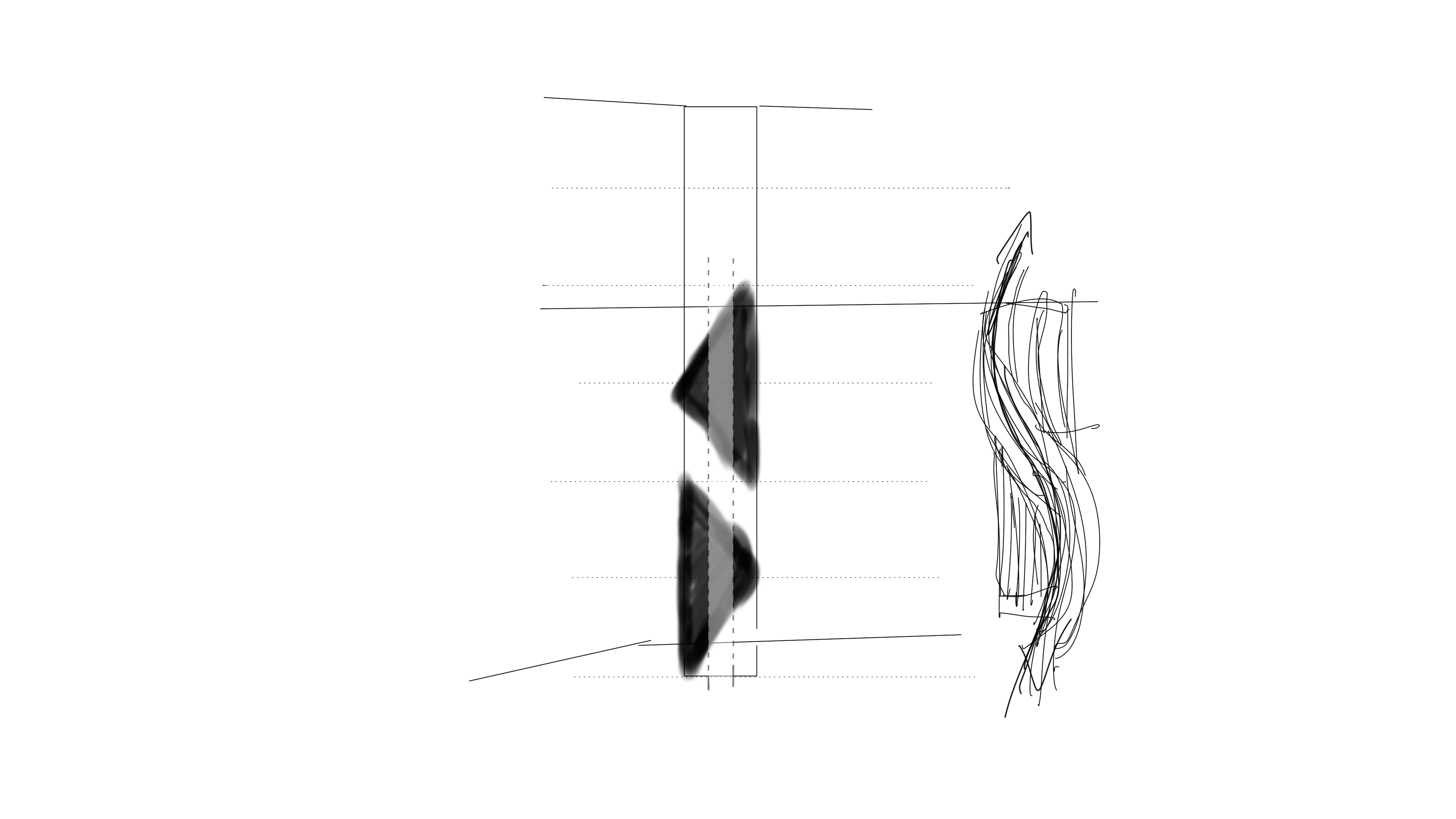
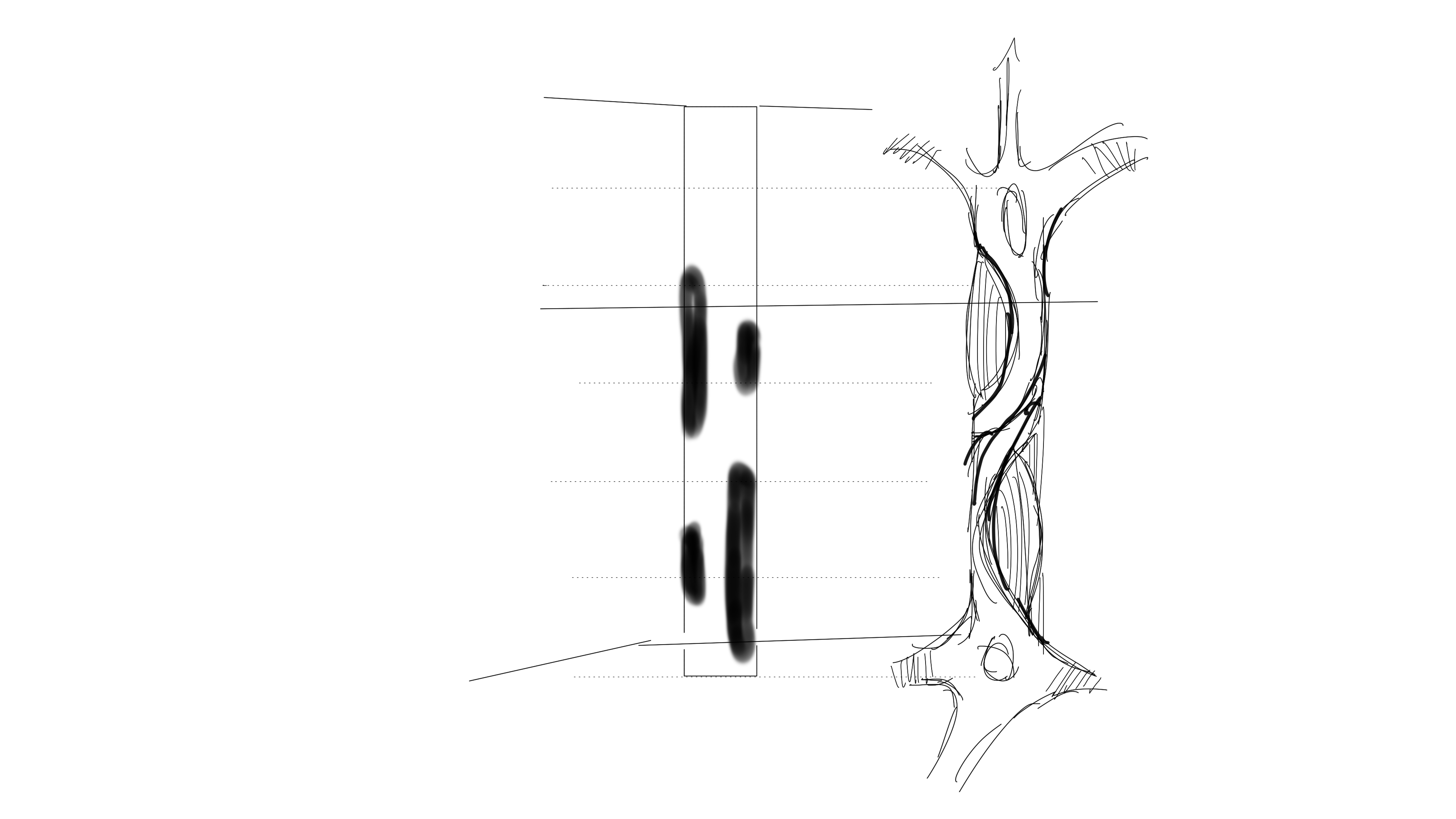
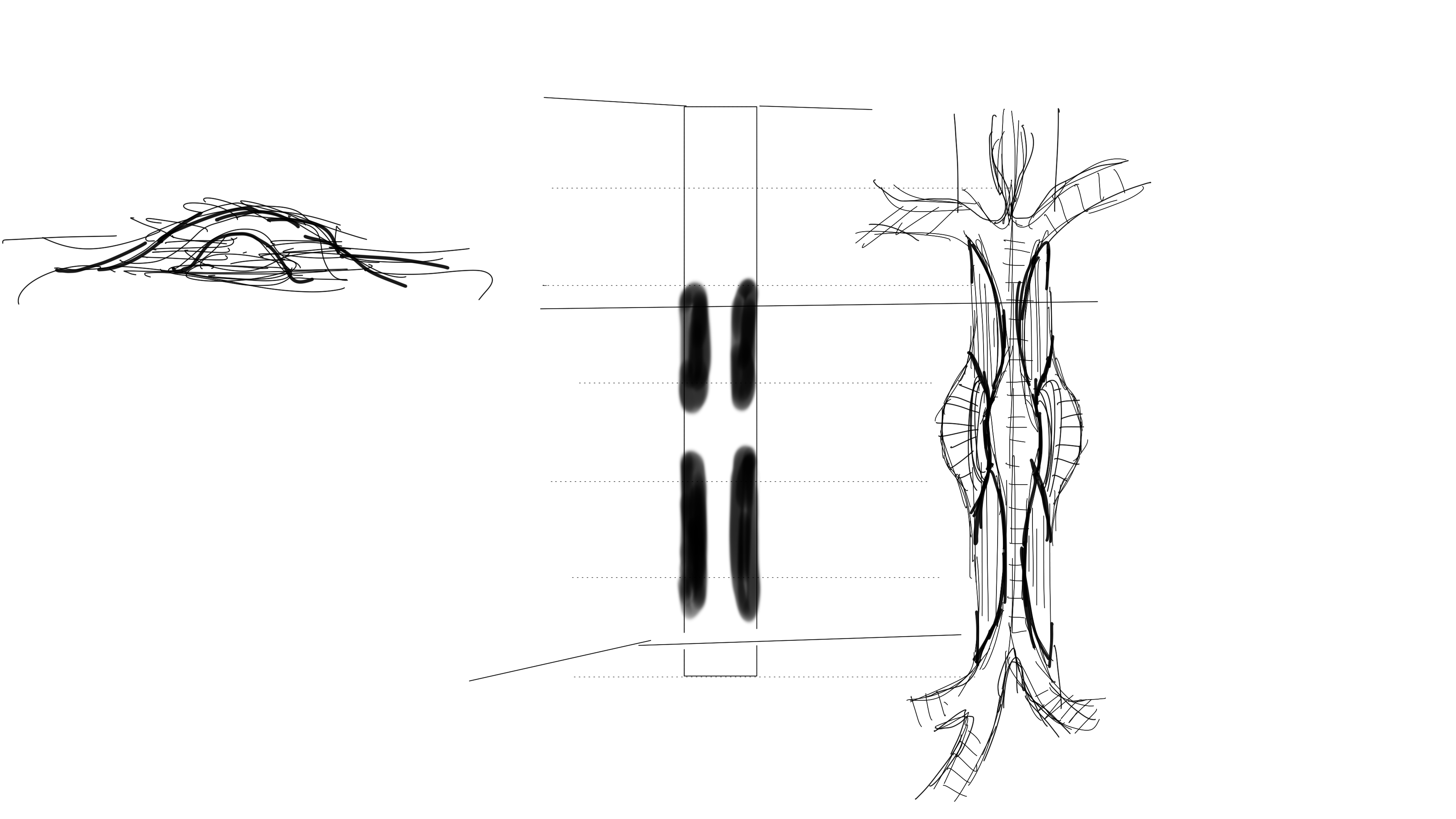
Constructively, the design engages seriously with the constraints and capacities of the existing bridge structure, deriving its formal and organizational logic from a rigorous analysis of load paths, span geometries and structural thresholds.
My Bachelorthesis understands itself as a prototype, a transferable model for rethinking the vast inventory of aging urban infrastructure not as a burden, but as the raw material for a new generation of urban living: dense without being oppressive, public without being anonymous, and formally uncompromising in its conviction that quality of space and quality of life are inseparable.
Name: Bridge upon Bridge
Studio Type: Solo
Time: Apr 26 - Jun 26
Location: Germany
Context: University of Kaiserslautern, Germany
Instructor: Prof. Valerio Calavetta & Prof. Sabrina Wirtz
Dorian Prattes ©
Explorative Sketches of Structure and Flow